Solo Female Travel Safety: The Complete Guide for First-Timers
Share
Solo Female Travel Safety: The Complete Guide for First-Timers
Quick answer: Solo female travel is overwhelmingly safe when you prepare well and trust your instincts. The essentials: research your destination's culture and norms in advance, share your itinerary with someone at home, split your valuables across multiple locations on your body and at your hotel, stay aware (especially at night), and don't let fear override the incredible experience of exploring the world on your own terms.
Let's get something out of the way: solo female travel is not inherently dangerous. Millions of women travel alone every year and have the time of their lives. It's one of the most empowering, horizon-expanding things you can do.
But let's also be real: traveling solo as a woman comes with considerations that men don't typically face. That's not about fear-mongering — it's about being practical so you can focus on the good stuff instead of worrying about the bad.
This guide is for first-timers. If you've been wanting to take that solo trip but feel nervous, overwhelmed, or unsure where to start — this is for you. We'll cover the practical stuff without the patronizing tone. You're an adult making a bold choice. Let's make sure you're prepared for it.
Before You Go: Pre-Trip Planning
Choose Your Destination Wisely (But Don't Overthink It)
For a first solo trip, consider destinations where:
- Solo female travel is common and culturally accepted
- Tourism infrastructure is solid (reliable transport, plenty of accommodation options)
- You can communicate (English is widely spoken, or you have basic language skills)
- You feel genuinely excited to visit
Great first solo destinations for women:
- Portugal — Safe, affordable, incredible food, easy to navigate, extremely welcoming to solo travelers.
- Japan — Extraordinarily safe, amazing public transport, English signage in cities, endlessly fascinating.
- New Zealand — Safe, English-speaking, backpacker-friendly culture, stunning nature.
- Colombia (Medellin, Cartagena) — Much safer than its reputation suggests. Growing solo female travel scene. Spanish helps but isn't required.
- Thailand — Budget-friendly, well-worn backpacker trail, tons of solo travelers to meet.
- Iceland — One of the safest countries on earth. Expensive but worth it. Perfect for introverted solo travel.
You don't have to start with the "safest" country in the world. You just want somewhere that matches your comfort level and experience. As you build confidence, your comfort zone will naturally expand.
Research Cultural Norms
This matters more than most people think. Dress codes, body language, social customs, and gender dynamics vary wildly between destinations. What's perfectly fine in Berlin might be inappropriate in Marrakech.
Things to research:
- Dress expectations. Some destinations are liberal; others require covering shoulders, knees, or hair in certain places. This isn't about changing who you are — it's about respecting local culture and reducing unwanted attention.
- Interaction norms. In some cultures, sustained eye contact or smiling at strangers can be misinterpreted. Knowing this in advance saves you awkward or uncomfortable situations.
- Taxi and transport culture. Should you use official taxis only? Is ride-sharing available and safe? Can you take public transit at night? Research this before you arrive.
- Alcohol norms. In some destinations, a woman drinking alone can attract unwanted attention. In others, it's completely normal. Know the landscape.
Share Your Itinerary
Before you leave, share your rough itinerary with at least one trusted person at home. This includes:
- Flight information
- Hotel/hostel names and addresses
- A general plan (which cities, rough dates)
- Your phone number abroad (or WhatsApp info)
Set up a check-in schedule — even something as simple as "I'll text you every morning" — so someone notices quickly if something goes wrong.
Apps that help:
- Google Maps timeline — Automatically tracks your location (with your permission). A trusted contact can check it.
- Find My Friends / Life360 — Real-time location sharing with selected people.
- WhatsApp location sharing — You can share your live location with a contact for a set time period.
You're not being paranoid by doing this. You're being smart.
Get Your Documents in Order
- Passport copies: Keep a photocopy in your luggage and a photo on your phone. If your passport is stolen, these speed up the replacement process at your embassy.
- Travel insurance: Non-negotiable for solo travel. Get a policy that covers medical emergencies, trip cancellation, and theft. World Nomads and SafetyWing are popular choices for younger travelers.
- Emergency contacts: Save your country's embassy number, local emergency services number (it's not always 911), your bank's international line, and your travel insurance's emergency hotline.
On the Ground: Daily Safety Tactics
Trust Your Gut — It's Smarter Than You Think
This is the single most important safety tool you have, and it doesn't cost anything.
If a situation feels wrong, leave. If a person gives you a bad feeling, disengage. If an alley looks sketchy, take the long way around. You don't owe anyone politeness when your instincts are firing.
Women are socialized to be agreeable, to not make a scene, to give people the benefit of the doubt. On the road, those instincts can work against you. Give yourself permission to be rude if the situation calls for it. A firm "no" or walking away without explanation is always acceptable.
Accommodation Safety
Choosing where to stay:
- Read reviews from other solo female travelers. Filter by solo travelers or women when possible. They'll flag issues that other reviewers might not mention.
- Choose accommodation in safe, well-lit, central areas. Paying slightly more for a better location is worth it — especially on your first trip.
- Hostels with female-only dorms are an excellent option. They're social (you'll meet other solo travelers instantly), affordable, and the female-only rooms add a layer of comfort.
- Check that your room locks properly. Test it when you arrive. If it doesn't, ask for a different room or leave a review and find somewhere else.
At your accommodation:
- Use the deadbolt and chain when you're inside.
- Don't open the door for unexpected visitors — call the front desk to verify.
- Don't tell strangers your room number.
- If the hotel has a safe, use it for your passport, extra cards, and cash.
Getting Around Safely
During the day:
- Walk with purpose, even if you're lost. Confidence is a deterrent. If you need to check your map, step into a shop or cafe rather than standing on a street corner looking confused.
- Use well-trafficked routes. The scenic shortcut through an empty park is for your second visit, when you know the area.
- Keep your phone accessible but secure. Looking down at your phone constantly makes you a target for both pickpockets and scammers.
At night:
- Use ride-sharing apps (Uber, Bolt, Grab) instead of hailing random taxis. The app logs the driver, the route, and gives you a record.
- Share your ride details with a friend — most apps have a built-in "share my trip" feature.
- Sit in the back seat of taxis, behind the passenger seat (it's the farthest point from the driver and closest to the exit).
- If walking at night, stick to well-lit, populated streets. Headphones out. Head up.
Handling Unwanted Attention
It happens. In some destinations more than others, solo women attract attention from men — sometimes friendly, sometimes not.
Strategies that work:
- The confident "no." Not apologetic. Not smiling. Just a direct, clear "no" or "leave me alone." In many cultures, this is all it takes.
- The fake phone call. Pull out your phone and start talking (even to nobody). It signals that someone knows where you are.
- The wedding ring trick. A cheap ring on your left hand can shut down approaches. "My husband is meeting me here" is a useful phrase, even if the husband is fictional.
- Walk into a shop or restaurant. If someone is following you or making you uncomfortable, go somewhere public with staff who can help.
- Connect with other travelers. Walking with someone else — even someone you just met at a hostel — immediately reduces harassment.
What to wear:
Dress for the culture you're in. This isn't about blaming women for attention they receive — it's about a practical strategy for reducing friction and discomfort. In conservative destinations, dressing modestly usually means less unwanted attention, which means a more enjoyable experience. In liberal cities, wear whatever you want.
Protecting Your Valuables as a Solo Traveler
This is where solo travel gets tricky. When you're with a group or a partner, someone can watch the bags while others swim, shop, or use the restroom. Solo? It's all on you.
The "Split and Wear" System
The golden rule for solo travelers: split your valuables across your body and your accommodation, and wear your essentials.
At the hotel:
- Passport, extra cards, and bulk cash in the safe.
On your body (daily):
- One card and daily cash in a hidden location. Front pocket with a zipper, a hidden waist pocket, or wearable hidden storage.
- Phone in your front pocket or a crossbody bag worn in front.
For nights out:
This is where things get interesting. Going out alone — to a bar, a rooftop, a club, a live music venue — is one of the best parts of solo travel. But it's also when you're most vulnerable to losing things (or having them taken).
The ideal setup: bring only what you absolutely need, and keep all of it on your body.
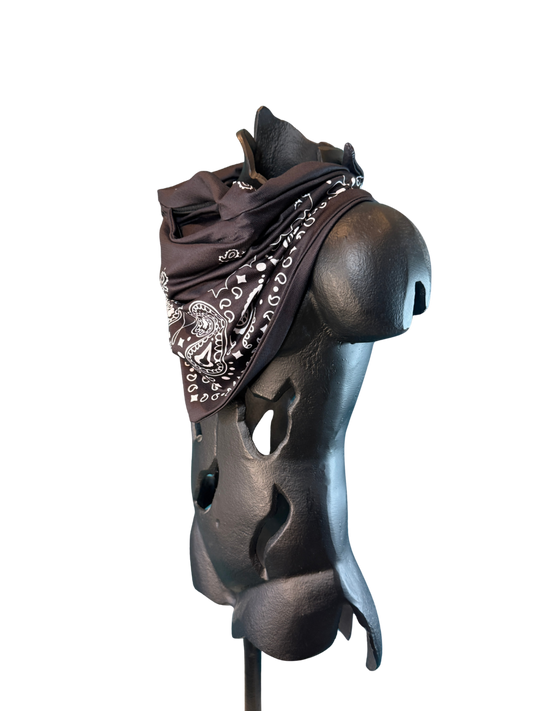
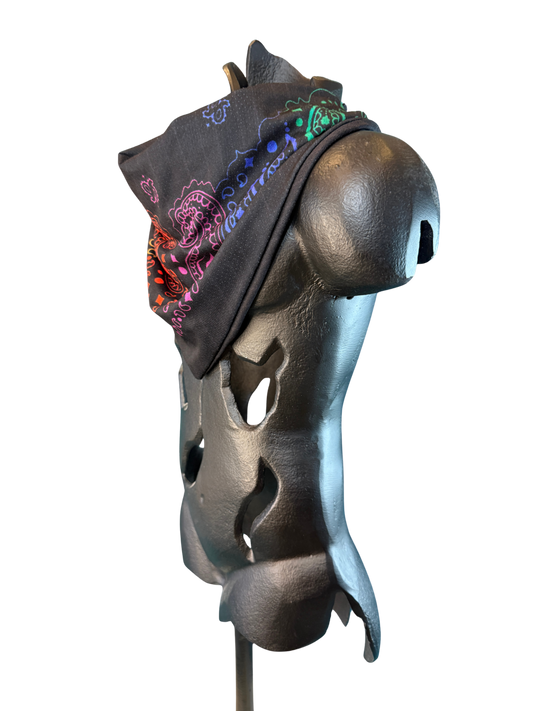
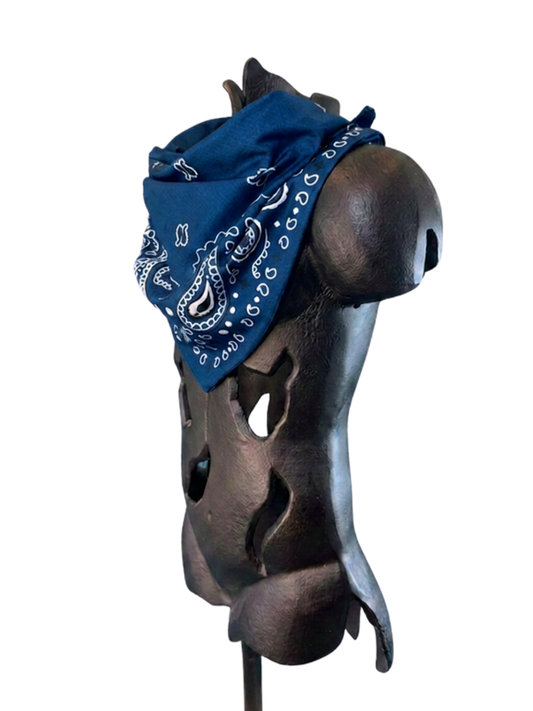
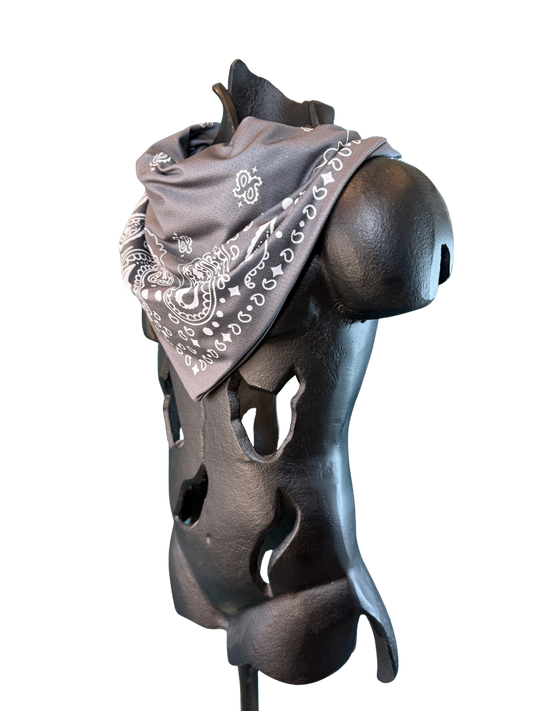
A Stuffy Fox bandana is honestly perfect for this scenario. Card, some cash, room key — all zipped into a hidden pocket, worn around your neck or wrist. You look great, your hands are free, you're not carrying a bag that can be snatched or set down and forgotten, and your essentials are physically attached to you.
This matters more for solo travelers than anyone else, because you don't have a friend watching your bag when you go to the dance floor or the bathroom. If it's on your body, it's with you. Period.
Beach Days Solo
Same principle. Take your key, card, and a small amount of cash on your body (wearable storage), and leave nothing valuable on your towel. You can swim, walk, explore — without glancing back at your stuff every 30 seconds.
Nightlife Safety for Solo Female Travelers
Going out at night alone in a new city is thrilling. It's also the time window where the most safety incidents happen. Here's how to enjoy nightlife without anxiety.
Before You Go Out
- Eat a real meal. Drinking on an empty stomach is bad advice for anyone, doubly so when you're alone in an unfamiliar place.
- Tell someone where you're going. Text a friend: "Going to [bar name] on [street], will check in by midnight."
- Bring minimal stuff. One card, cash for the night, room key, phone. That's it. Leave the rest at the hotel.
- Screenshot your hotel address and a map route home. If your phone dies or you lose data, you still know how to get back.
- Know the local emergency number and have it saved.
While You're Out
- Watch your drink. Never leave it unattended. If you did, don't drink it — get a new one. This is non-negotiable.
- Drink less than you would at home. You're alone, in an unfamiliar city, without your support network. Staying sharper than usual is just smart.
- Make friends, but verify. One of the best things about solo travel is meeting people. Join hostel pub crawls, sit at the bar, strike up conversations. Just maintain awareness. Trust slowly, not instantly.
- Have your exit planned. Know how you're getting home before you need to get home. Is the Uber app working in this city? Is there a taxi rank nearby? What time does the metro close? Don't figure this out at 2 AM.
- Check in with your person at home. A quick "heading home now, all good" text takes three seconds and gives someone at home peace of mind.
Getting Home
- Use ride-sharing apps and share the trip. Always.
- If you take a taxi, text the license plate to a friend. Or pretend to. Even the act of photographing the plate signals awareness.
- Walk home only on well-lit, populated routes. No shortcuts through empty streets, no matter how close your hotel seems.
Building Confidence: The Mindset Shift
The biggest barrier to solo female travel isn't safety — it's confidence. And confidence is built by doing, not by reading (though reading helps too).
Start Small
You don't have to start with a three-month backpacking trip through Southeast Asia. Try:
- A weekend in a nearby city you've never visited.
- A solo day trip from wherever you live.
- Eating at a restaurant alone. Going to a movie alone. These small solos build the muscle.
Accept Discomfort
You will feel uncomfortable sometimes. Navigating a foreign transit system at midnight, eating alone in a crowded restaurant, walking into a hostel common room where everyone else seems to already know each other — these moments are uncomfortable.
They're also the moments where the growth happens. Every solo traveler you meet has a story about a time they felt completely out of their depth and figured it out anyway. That's the whole point.
Connect With the Solo Female Travel Community
The online solo female travel community is enormous, supportive, and incredibly helpful. Join Facebook groups (Women Who Travel Solo, Girls Love Travel), follow solo female travel creators on social media, and read blogs from women who travel independently. You'll find destination-specific advice, buddy-up opportunities, and the reassurance that millions of women are doing this every year and loving it.
The Solo Female Travel Packing Essentials
A few items that earn their spot in your luggage:
- Doorstop alarm. A $10 rubber wedge that goes under your hotel room door. Blocks the door from opening and sounds an alarm if someone tries. Peace of mind for cheap.
- Portable charger. A dead phone when you're solo at night is a genuine safety issue. Keep it charged.
- Headlamp or small flashlight. For hostels (finding things without waking your dorm), poorly lit streets, and unexpected power outages.
- Wearable hidden storage. A bandana with a hidden pocket, a scarf with a zippered compartment, or a money belt. Something that keeps your essentials on your body.
- Whistle or personal alarm. Compact, loud, and effective at drawing attention if you need it.
- Basic first aid kit. Band-aids, painkillers, antihistamines, any prescription meds. Pharmacies may not be open (or easy to find) when you need them.
- Sarong or large scarf. The most versatile item you can pack. Beach cover-up, temple-appropriate shoulder cover, blanket, towel, pillow — it does everything.
The Bottom Line
Solo female travel is one of the most rewarding things you can do. Full stop. The independence, the self-discovery, the stories, the people you meet, the confidence you build — it changes you in ways that are hard to articulate until you've experienced it.
Is there risk? Yes. There's risk in everything. There's risk in driving to the grocery store. The goal isn't zero risk — it's managed risk. Prepare well, stay aware, trust your instincts, protect your valuables, and give yourself permission to be both cautious and adventurous.
The world is more welcoming than the news suggests. People are kinder than you expect. And you are braver than you think.
Book the flight. Pack the bag. Go.
You've got this.